





Rocketplay Casino Withdrawal: What Happens First
A cashout is not a single button - it is a short chain of checks that starts the moment you submit a request. Imagine you hit a win, open the cashier, and want the money settled before the weekend. The fastest outcomes usually come from doing the basics early: set up one method, keep your profile consistent, and send a request that matches your details.
Most players follow the same path: pick a method, enter an amount, confirm. In the background, quick checks may run (does the method match the account, is the amount within limits, is the balance eligible). If something looks inconsistent, the request can pause before it reaches any provider.
If you are in a hurry, avoid editing profile details on the same day you plan to cash out. Updates are normal, but they can create extra confirmation steps, especially if you switch devices or change contact info right before requesting funds.
Before You Tap Cash Out, Set Up The Basics
Treat your profile like a payment form, not a social sign-up. Picture this: one typo in your name forces a manual review when you need the money today. A careful setup now reduces friction later.
Start with your legal name, address, and a reachable phone number. Then check the cashier options for your region and choose one route you actually plan to use. Sticking with a primary method helps because it keeps your history predictable.
Bonuses can add another layer. Before you submit, check whether any part of your balance is restricted by bonus conditions. The goal is simple: know what portion is eligible right now, so you do not request more than the system can approve.
The “Pending” Stage And Why It Exists
Seeing pending or processing can feel like nothing is happening. Usually it means approval is still in progress or the request is queued for review. Imagine you submit late at night - it may sit until the next review window even if everything is correct.
Weekends and public holidays can stretch timelines, especially for bank-based routes. If a status remains unchanged longer than expected, keep one clean request, gather any needed files, and contact support with a clear question rather than creating multiple requests.
Account Verification That Does Not Waste Your Time
Verification is often the biggest difference between a smooth cashout and a stressful one. Imagine you are ready to receive funds, but the system asks for documents and you start hunting through old emails. Preparing once, in advance, is easier than doing it under pressure.
Think of the platform’s goal as matching three things: your identity, your address, and the ownership of the payment method. If any of those pieces conflict - for example, you used a third-party method or your profile address is outdated - extra checks become more likely.
Players in Australia should also keep local rules in mind and use the service responsibly. Access to online wagering can vary, and platforms typically expect you to follow the rules that apply to you and to play as an adult (at least eighteen years old).
Documents, Photos, And Proof Of Ownership
Picture the usual flow: you request funds and then get a prompt for ID and proof of address. Keep a small folder ready with clear images so you can upload quickly if asked.
When submitting files, use the same device and account email you normally use, and avoid frequent location-switching. Sudden changes can look like account sharing, which may slow review even when your intent is harmless.
What Really Shapes Processing Speed In 2026
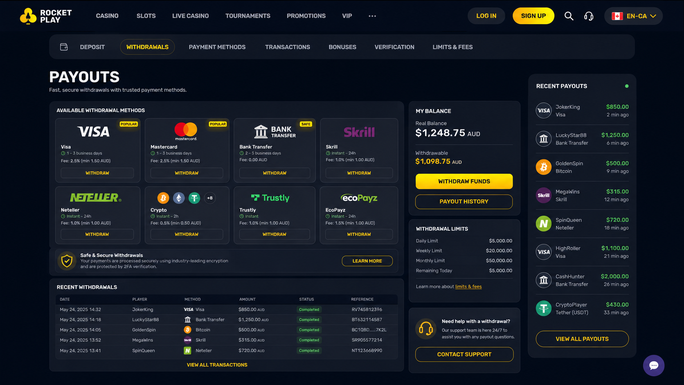
People ask for an exact timeline, but speed is usually a mix of method type, account history, and when you submit. Imagine two players requesting the same amount: one uses a near-instant route after approval, the other uses a bank path that clears on business days. Approval might be equally fast, but delivery will still differ.
Your own activity matters, too. Rapid deposit-play-request cycles can trigger extra checks, even if you did nothing wrong. A calmer rhythm - deposit, play normally, request later - often looks more natural to automated systems.
One more detail that surprises players is internal compliance pacing. If your request looks unusual for the account - a first cashout, a sudden jump in amount, or activity that resembles payment cycling - the system may slow down to protect both sides. Imagine you win big on a fresh account and try to take everything out immediately; even on legitimate wins, extra confirmation can be normal because the platform needs to be sure the account is not being misused.
It also helps to think in checkpoints rather than hours. First the request is accepted, then it is approved, then it is released to the provider, then it is delivered. If you can identify which checkpoint you are at, you stop guessing. For example, if support confirms the request was released, your next step is to watch your bank or wallet, not to re-upload documents again.
Choosing A Method: Cards, Banks, Wallets, And More
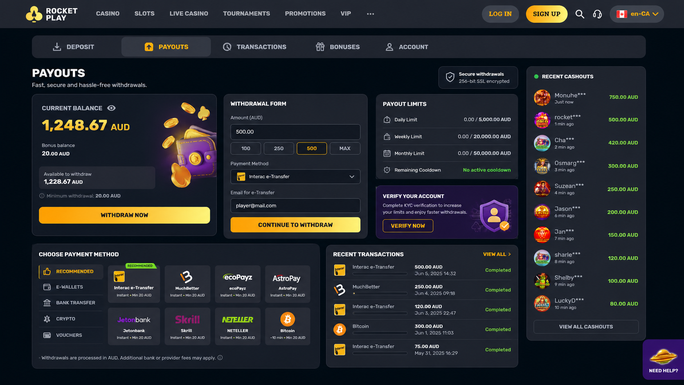
Picking a payout route is about predictability. Imagine you need the money for rent and you cannot wait on uncertainty. A method connected to your verified identity, and ideally consistent with your deposit history, usually reduces mismatches.
Many delays come from small details: name mismatch, expired instrument, or choosing a route with tight limits. Before you decide, think in friction points: tracking, verification steps, and whether the route relies on business-day banking.
How Players Usually Compare Payout Options
A quick comparison beats guesswork. Picture yourself planning a timeline - you want clarity, not surprises. List the routes you can verify, then rank them by convenience, trackability, and how often they tend to trigger extra confirmation.
If you want fewer questions, keep one primary route. If you want flexibility, accept that switching routes may mean extra checks. Problems usually appear when players switch methods repeatedly without a clear reason.
Common Steps And Hold-Ups By Method Type
The table below is not a promise of availability - it is a checklist of what these routes typically involve when a platform offers them. Imagine you are troubleshooting: you can scan your method type and spot likely friction.
Type of Method | Typical Verification Steps | What Often Slows It Down | Best Use Case |
|---|---|---|---|
Bank transfer | Identity + address match | Business-day clearing, name mismatch | Larger amounts, steady use |
Bank card | Ownership check for the card | Network rules, partial reversals | Familiar setup, easy tracking |
E-wallet | Account ID or email match | Compliance checks by provider | Faster delivery, everyday use |
Alternative payments | Extra confirmation screens | Outages, regional limits | Niche options when available |
Small Tweaks That Make A Big Difference
Right before you submit, do a 30-second check: profile spelling, method match, eligible balance. Imagine you rush and miss one field - you pay for it with a longer wait.
Also, avoid extremes. Very large requests can trigger manual review, while tiny repeated requests can look suspicious. Choose an amount that feels normal for your account and aligns with typical limits.
When A Cashout Stalls: Fixes That Work
Delays happen, but most are solvable. Imagine you have been waiting and you are tempted to panic. Instead, troubleshoot in order: status, eligibility, verification, method details, then support.
Start inside your account: look for missing profile fields, document prompts, or restrictions tied to bonus funds. If everything looks clean, contact support with specifics: amount, method type, and submission time. Clear facts help agents act faster.
Rocketplay Withdrawal Status: Reading The Signals
Statuses are clues. Picture the usual flow: submitted, pending, processing, completed. If you are stuck early, approval may still be happening. If you are stuck at processing, delivery through the provider may be the slow step.
Ask one focused question: “What action is required from me?” If the answer is “none,” you wait. If the answer is “upload a file” or “confirm your method,” you act once and then avoid making extra changes.
Quick Checklist For The Most Common Blocks
Most blocks repeat. Imagine you see “delayed” and you want the reason. Check these common causes:
- Profile mismatch: name, address, or phone conflicts with documents.
- Method mismatch: you selected a route unrelated to your deposit history.
- Bonus restrictions: part of the balance is not yet eligible.
- Security review: unusual login, device change, or risky pattern.
- Bank-side delay: provider or bank needs extra settlement time.
Solve the simplest item first. Many delays clear after fixing a typo, re-uploading a clearer image, or aligning the payout route with prior deposits.
Support, Limits, And Responsible Play Tools
Good support messages are short and specific. Imagine you are writing on a break at work - you want a resolution, not a debate. Explain what you did, what you see now, and what you need next.
Limits and break tools matter, too. If you set deposit limits, session reminders, or timeouts, you reduce impulsive behavior and keep account activity steadier. That is good for you, and it also avoids patterns that can trigger extra security reviews.
If you want more structure, set a routine: play sessions on a schedule, review your limits monthly, and use a cooling-off break when emotions spike. Imagine you are chasing losses at midnight - that is the moment to pause, not to top up again. A steadier pattern keeps your finances clearer, and it also reduces the chance of odd activity that triggers security holds.
If play starts to feel uncontrolled, use a timeout or self-exclusion right away. Taking a break protects you and keeps wagering firmly for adults only and under control.